

learn to listen differently
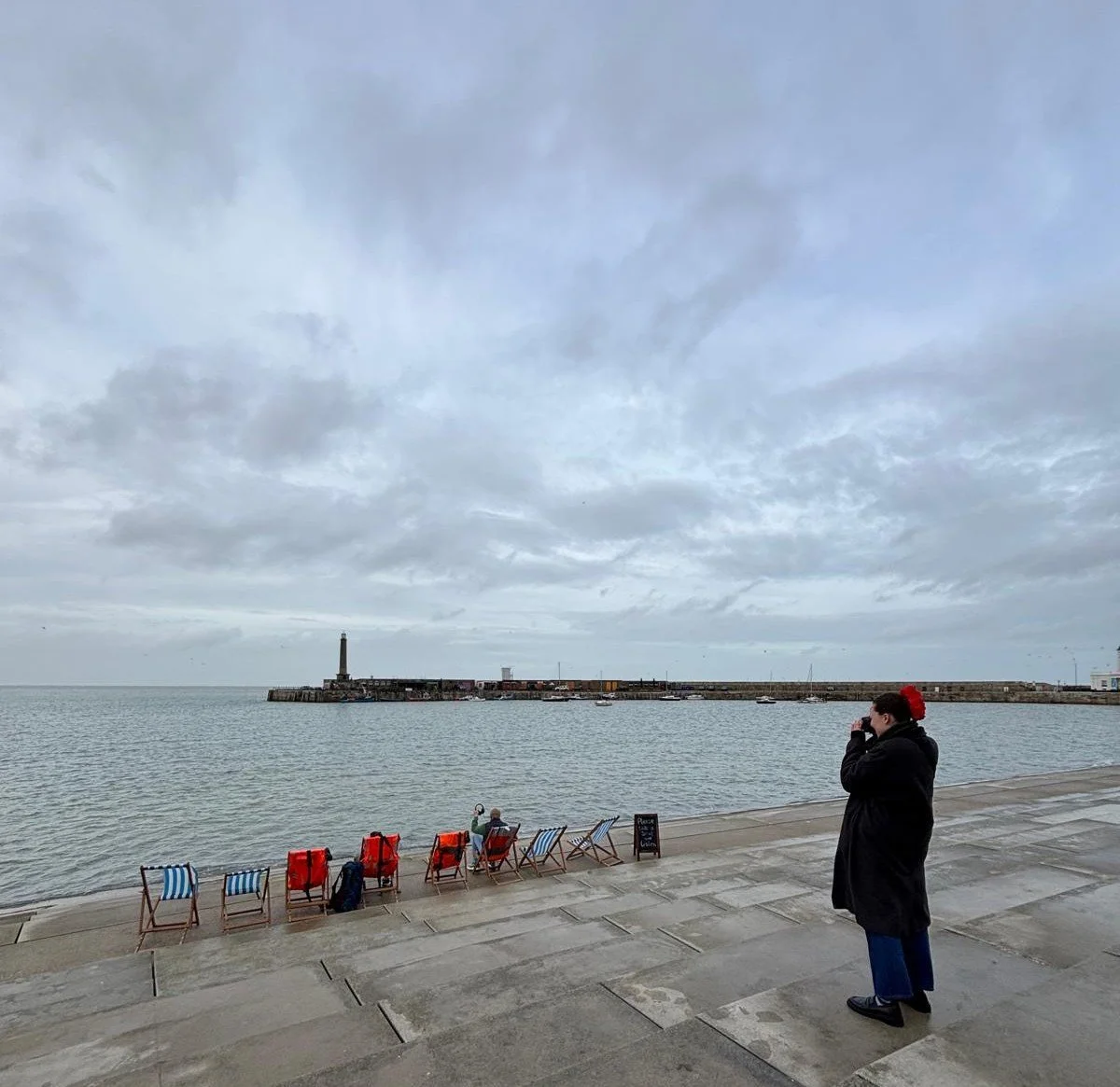
On the same wavelength: Maya photographs visitors to her installation
By guest blogger Maya Bullen, Seats of Passage artist
Migration is dominating the headlines. From asylum seekers being housed in hotels, former army barracks and the Bibby Stockholm barge, to the Labour government's plans to remove the automatic right to family reunion for people fleeing war and end the automatic path to settled status for refugees after five years.
There has been a particular obsession with the asylum seekers who are arriving to the UK by “small boats”, crossing the English Channel from France to the Kent coast. In November 2025, the BBC introduced an online tracker for migration numbers - including asylum, visas and small boats.
As the UK reaches a decade of small boat crossing, public sentiment is growing increasingly hostile. It only takes a short drive around the country to witness “Operation Raise the Colours” in action. With St George’s flags portraying a convoluted message blending national pride and anti-migrant sentiments. It is clear Reform Party and its anti-immigration policies are gaining traction and pose a significant electoral threat in any forthcoming general election.
How can we work against this constant anti-refugee rhetoric?
A public artwork titled Seats of Passage, created in collaboration with Kent Refugee Action Network (KRAN), invited passers-by to pause and reflect on the experiences of people seeking refuge. It was displayed on Margate seafront. Kent is the arrival point for most asylum seekers travelling by small boat across the English Channel and rescue operations and migrant arrivals feature regularly in its local news. There's a strong perception that Kent is shouldering a disproportionate share of UK migration, especially in terms of accommodation and funding.
Out of the eight deckchairs on display, four were crafted from decommissioned lifejackets. This subverted the British seaside symbol to represent the dangerous small boat journeys undertaken by asylum seekers.
It was also designed to question what we see as British values. Democracy, rule of law, individual liberty, mutual respect and tolerance are taught in schools across Britain. However, our government is trying to “modernise” the European Convention of Human Rights (ECHR), which was created following the Second World War, to remove legal rights for refugees in the UK.
The media's focus on “safe and legal routes” also ignores that the 1951 Refugee Convention does not require a person to claim asylum in the first safe country they reach. Most of those crossing the channel are people fleeing war-torn or oppressive countries where no safe and formal routes such as refugee visas exist for making an asylum claim in the UK. The people trying to cross the channel can legitimately claim asylum in the UK if they reach it, and about 98-99% of all arrivals do claim asylum.
How might we listen differently if empathy was our starting point?
While they were sitting in the deckchairs looking out to sea, visitors listened through headphones to anonymous voices from KRAN’s young people sharing their hopes, dreams and visions for the future. These optimistic stories show how people seeking refuge bring value to our society. They deserve to live with dignity and respect. While listening, you can’t help but hear how much we all have in common.
One KRAN participant says: “A good life is to live with my family, in a place where we feel safe, we feel like we belong and have no worries or fear of what’s going to happen tomorrow. Because if there is peace you will have hopes for tomorrow.”
Refugees and asylum seekers are individuals seeking safety and they bring value to our society. They are not a criminal threat. They are human beings in need of protection. The KRAN participants also highlighted the importance of community, which is something the organisation works towards. Through education, mentoring, advocacy and community-building programmes, KRAN helps young refugees rebuild their lives.
How to build community?
Often art can facilitate the difficult conversations we need to have as a society. It creates a space without judgement. Each person who chooses to interact, takes a moment from their day to sit and listen to the voices of others.
No matter what your opinion is on migration as you take a seat, you then finally hear a voice which represents the people behind the statistics in the headlines. Rather than focusing on the details of their journeys to this country, or the war and prosecution they've had to flee, they talk about the future and what lives they would like to build for themselves and their families.
It is clear they are hard-working individuals and their goals are the same as yours or mine. They want safety, an education, freedom, a clean environment and hope.
As the tide drew in throughout the day it showed the arbitrary nature of our national borders and highlighted the contrast between human-imposed divisions and the fluidity of the landscape.
Please take a moment to experience the Seats of Passage video and share it with your network to spark conversations about empathy, dignity, and community. Thank you.